5 Steps to Cut Machinery Transport Downtime

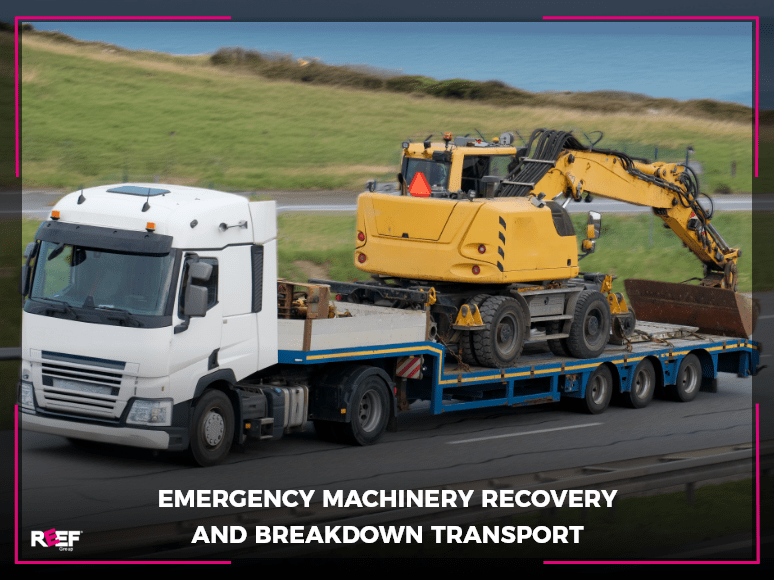
Emergency Machinery Recovery and Breakdown Transport
January 13, 2026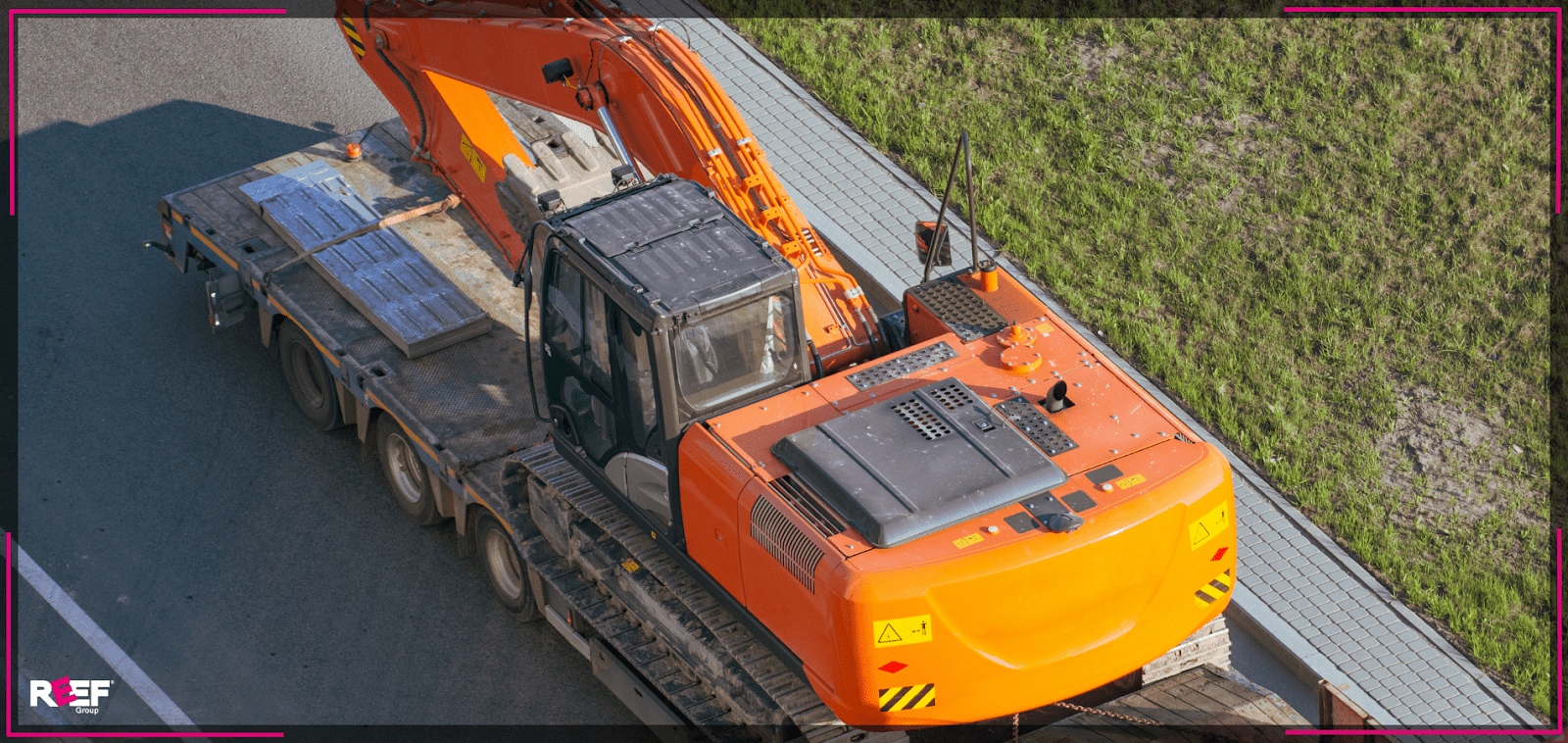
Moving heavy machinery isn’t just about getting from A to B. It’s about keeping your business running smoothly whilst your valuable equipment travels safely to its new location.
Every day of unexpected downtime costs Australian businesses thousands of dollars. That’s why proper machinery transport goes beyond simply loading equipment onto a truck.
It requires careful coordination, experienced operators, and the right vehicles for each specific job. Whether you’re relocating construction equipment across Perth or moving mining machinery to a remote site in WA, our specialized machinery transport services in Perth ensure the process receives attention to detail at every step.
The difference between a successful move and a costly disaster often comes down to preparation and expertise. Professional transport services understand how to secure different types of equipment properly, plan efficient routes, and handle the unexpected challenges that can arise on Australian roads.
When machinery transport is done right, your equipment arrives on schedule and ready to work. This keeps projects on track and helps businesses maintain their competitive edge in an industry where timing is everything.
Planning That Prevents Delays
Every successful machinery move starts with a well-structured schedule that maps out each phase from disassembly to final installation. Clear timelines for every task help prevent bottlenecks and keep critical activities moving forward.
Real-time communication makes all the difference. Keeping everyone in the loop reduces confusion and allows teams to respond quickly when conditions change on site.
Smart planning also builds in flexibility. This lets crews adapt to unexpected challenges without throwing the entire project off schedule.
These planning strategies prevent those frustrating delays that cost Australian businesses time and money. They keep operations running efficiently and get your machinery back to productive work as fast as possible.
Asset Protection and Inventory for Faster Restart
Getting your machinery back up and running quickly depends on protecting it properly and keeping track of everything during the move. Professional packing methods and quality materials shield equipment from vibration, moisture, and impact whilst on the road.
High-value items like precision electronics and control panels need extra care. Purpose-built crates and specialised cushioning materials provide the protection these sensitive components require.
A proper inventory system with clear labelling makes all the difference at the destination. When every crate and piece of equipment is clearly marked, crews can quickly identify what needs to go where, cutting down confusion and speeding up the setup process.
This organisation also helps with compliance checks and insurance requirements, keeping paperwork straightforward.
Trained teams using the right handling equipment for heavy or delicate machinery reduce the chance of damage during loading and unloading. These coordinated procedures protect your investment and get your equipment commissioned faster.
The result is less equipment damage, fewer delays, and machinery that’s ready to work as soon as it arrives at the new site.
Heavy Machinery Handling Without Hold-ups
The Right Equipment for the Job
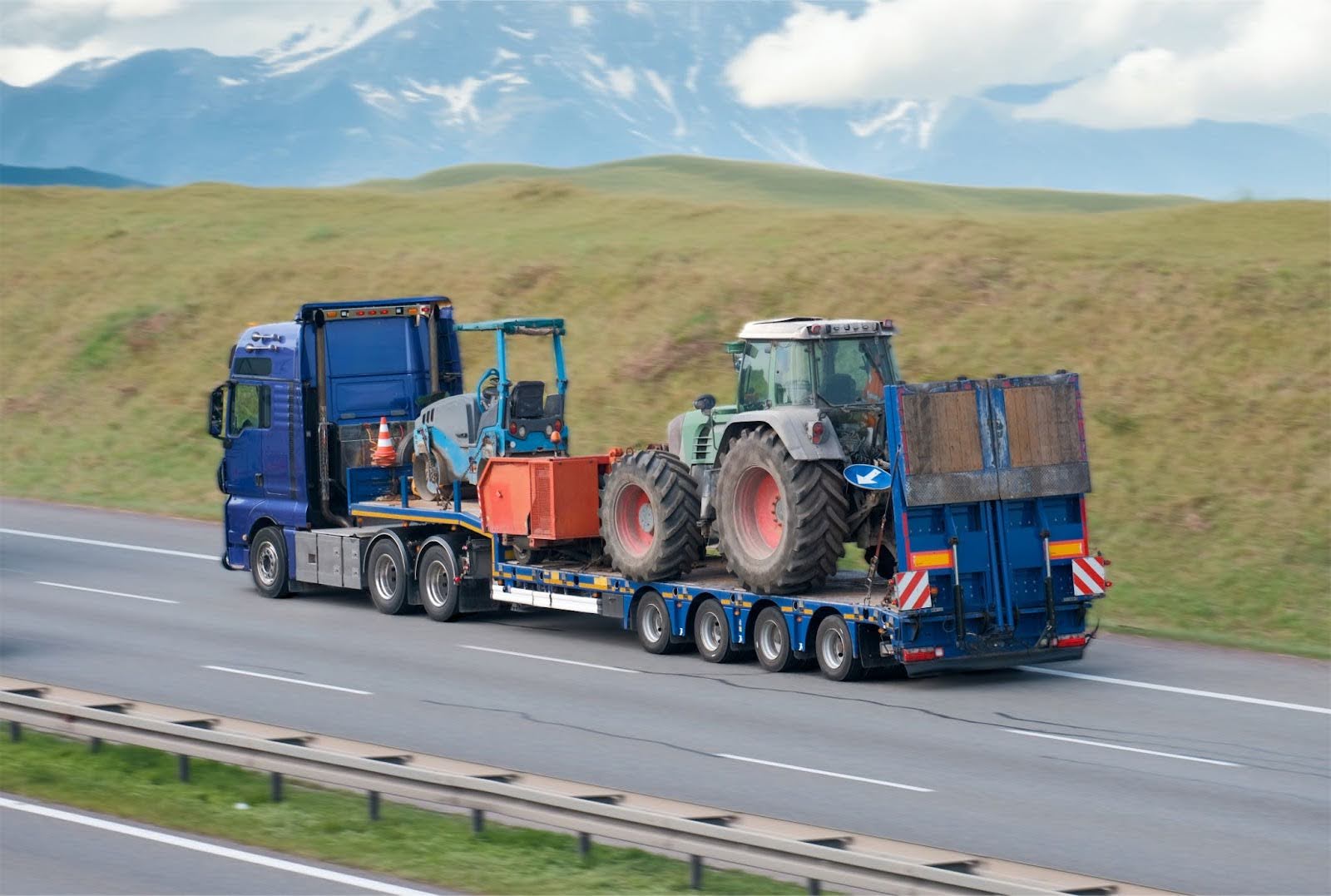
Getting your machinery moved safely comes down to using the right trucks and tools for each specific job. Til tray and flatbed trucks create stable platforms that make loading and unloading much easier, which cuts the risk of damage to your equipment.
You’ll also need proper handling equipment like dollies, lifts, and quality strapping systems. These tools help crews manage awkward or heavy pieces without breaking their backs or risking accidents on site.
Every job is different, so smart operators choose their equipment based on what they’re moving and where it’s going. They consider the weight, size, and shape of the machinery, plus any site access challenges like narrow gates or soft ground.
Getting this combination right prevents those frustrating delays that cost Australian businesses serious money. When crews have the proper gear from the start, machinery arrives on time and ready to get back to work.
The wrong equipment choice can turn a simple move into a costly nightmare. That’s why experienced transport teams always match their trucks and tools to the specific requirements of each job.
Skilled People and Safe Methods
Professional machinery transport relies on trained crews who understand proper lifting and positioning techniques for heavy equipment. Their experience prevents injuries and protects your valuable assets throughout every stage of the move.
Safety protocols aren’t optional in this business. Quality strapping systems, custom supports, and protective barriers keep machinery secure during transport, preventing the kind of accidents that can shut down your project for weeks.
Every move follows established procedures, from pre-lift inspections to controlled placement at the destination. This systematic approach keeps everything predictable and reduces delays, so your team knows exactly what’s happening and when.
The combination of skilled operators and proven safety methods gets your machinery to its new location on schedule and ready for work. In Australia’s competitive industrial environment, that reliability can make all the difference to your bottom line.
Logistics, Routing and On-Time Delivery
Having trucks ready to go 24/7 makes all the difference when urgent moves come up or delivery windows get tight. This keeps your site running and prevents costly downtime that can derail project schedules.
Real-time tracking gives everyone the information they need to make quick decisions. When road conditions change or access issues pop up, crews can adjust routes on the spot and keep deliveries moving.
Smart route planning considers the practical stuff that matters in Australia. Traffic patterns around major cities, site access restrictions, and local road conditions all factor into getting your machinery there on time.
Projects don’t always go to plan, and transport needs to adapt. Last-minute site changes, weather delays, or access problems require flexible scheduling and direct communication to keep everything on track.
Clear, upfront pricing helps you budget properly from the start. No surprises or hidden costs means you can plan your logistics with confidence and avoid those budget blowouts that hurt your bottom line.
On‑Site Execution at Origin and Destination
On-site execution at both loading and unloading points requires systematic planning, especially where tight access, narrow corridors, and stairways are involved. Detailed site surveys identify potential bottlenecks and allow for specific plans to move large or awkward equipment safely.
Sequencing moves to prevent congestion is essential. Prioritising the removal or placement of bulkier machinery first ensures smaller items can follow without causing blockages.
Dedicated loading and unloading zones should be set up in advance. These areas need clear access for vehicles and minimal interference from regular site operations.
Strict adherence to careful handling procedures during these stages reduces the risk of damage to valuable assets. This helps avoid the kind of hold-ups caused by accidents or misplaced equipment.
Coordination between teams handling packing, transport, and set-up is crucial. A smooth workflow keeps idle time to a minimum.
For instance, as machinery leaves one location, preparations at the destination should be finalised to receive it immediately. This approach reduces downtime and allows projects to resume operations quickly after transit.
Careful planning and task alignment throughout the move are key for efficiency and safety on Australian sites.
Risk, Safety and Cost Controls That Keep Work Flowing
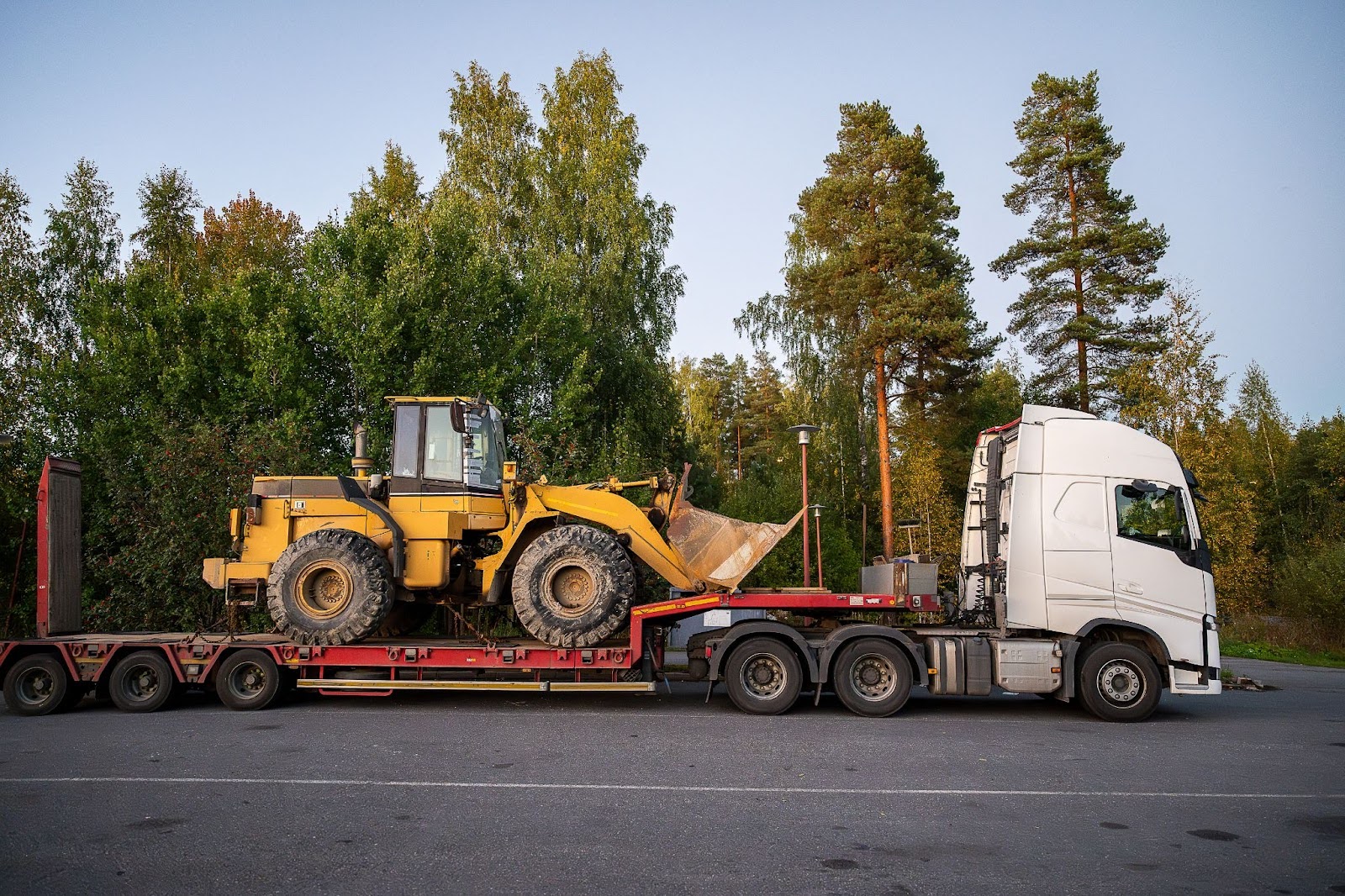
Insurance coverage protects your high-value machinery during transport and gives you financial backup if something goes wrong. Getting comprehensive cover means you can focus on your business operations whilst your equipment travels safely across Western Australia.
Proper safety protocols start the moment packing begins and continue until your machinery is safely positioned at its destination. This means using the right protective materials, clear labelling systems, and following strict handling procedures every step of the way.
These safety measures cut the risk of accidents and protect both your crew and your equipment. When everyone follows established procedures, machinery arrives in working condition and ready to get back to productive work.
Smart cost control starts with accurate scoping and transparent pricing structures. Clear inventory lists and detailed documentation help prevent those nasty surprises that blow budgets and delay projects.
Transparent pricing and well-defined work scopes prevent costly rework situations. This keeps your project within budget and on schedule, which is crucial for maintaining cash flow in Australian industrial operations.
This systematic approach to managing risk, safety, and costs ensures your machinery gets delivered safely and your work continues without expensive interruptions. That reliability can make the difference between profit and loss on major projects.
Client Support That Reduces Distraction
Good support services handle everything so your team can focus on running the business instead of managing machinery moves. Professional operators take care of packing, transport, and setup at the new location, which means your staff stay productive on their regular work.
The best services adapt to your schedule and budget constraints. Customer support teams answer questions quickly and roll with unexpected changes, keeping disruption to your daily operations at minimum levels.
You’ll get regular updates throughout the move plus one person to talk to about everything. This clear communication lets your team make quick decisions based on accurate information.
With proper support systems running the show, your staff spend less time worrying about the move and more time on the work that actually makes money. That means getting back to normal operations faster and keeping projects on track across Western Australia.
Your Practical Downtime‑Cutting Checklist
Work out a detailed move plan with your transport provider to cut downtime. Get a clear schedule that covers every stage and build in backup plans for unexpected delays.
Put together a complete inventory and use clear labelling on everything. Mark fragile or high-value items clearly so they get the protection they need, preventing damage and confusion during setup.
Check access conditions at both locations before the move starts. This helps you line up the right equipment like tilt trays, flatbeds, dollies, lifts, and straps to handle each item safely.
Set up real-time tracking and keep communication lines open on move day. Quick responses to changes or delays keep everyone informed and the operation running smoothly.
Choose a transport partner with a well-maintained fleet that operates 24/7 and follows strict safety protocols. This keeps your project on schedule and ensures your machinery gets transported safely, minimising operational disruption.