Emergency Machinery Recovery and Breakdown Transport

What Checks Should You Do Before, During and After Transporting Farm Machinery?
November 17, 2025
5 Steps to Cut Machinery Transport Downtime
January 28, 2026
When heavy machinery breaks down on a Perth construction site or mining operation, every hour counts. Production stops, deadlines loom, and costs spiral.
That’s where emergency machinery recovery comes in. It’s about getting non-operational equipment off-site quickly and safely, using specialist transport vehicles like tilt tray trucks, cranes, and heavy-duty winches.
Think excavators that won’t start, generators that have given up the ghost, or forklifts that need urgent repairs. These aren’t machines you can tow with a regular truck.
They’re awkward, heavy, and often stuck in tight spaces where access is tricky. Professional recovery operators know how to handle these challenges without causing further damage or creating safety hazards.
Speed matters in Australian industry. Whether it’s a mining project in the Pilbara or road works in metropolitan Perth, delayed equipment removal can shut down entire operations.
Experienced drivers with the right equipment can respond around the clock. They follow strict safety protocols for loading and securing machinery, reducing the risk of accidents or costly mishaps during transport.
Specialist Vehicles and Recovery Methods
Tilt Tray and Flatbed Transport
Tilt tray trucks are the workhorses of Australian machinery transport. Their hydraulically tilting decks make loading and unloading straightforward, whether you’re dealing with a working excavator or a generator that’s completely seized up.
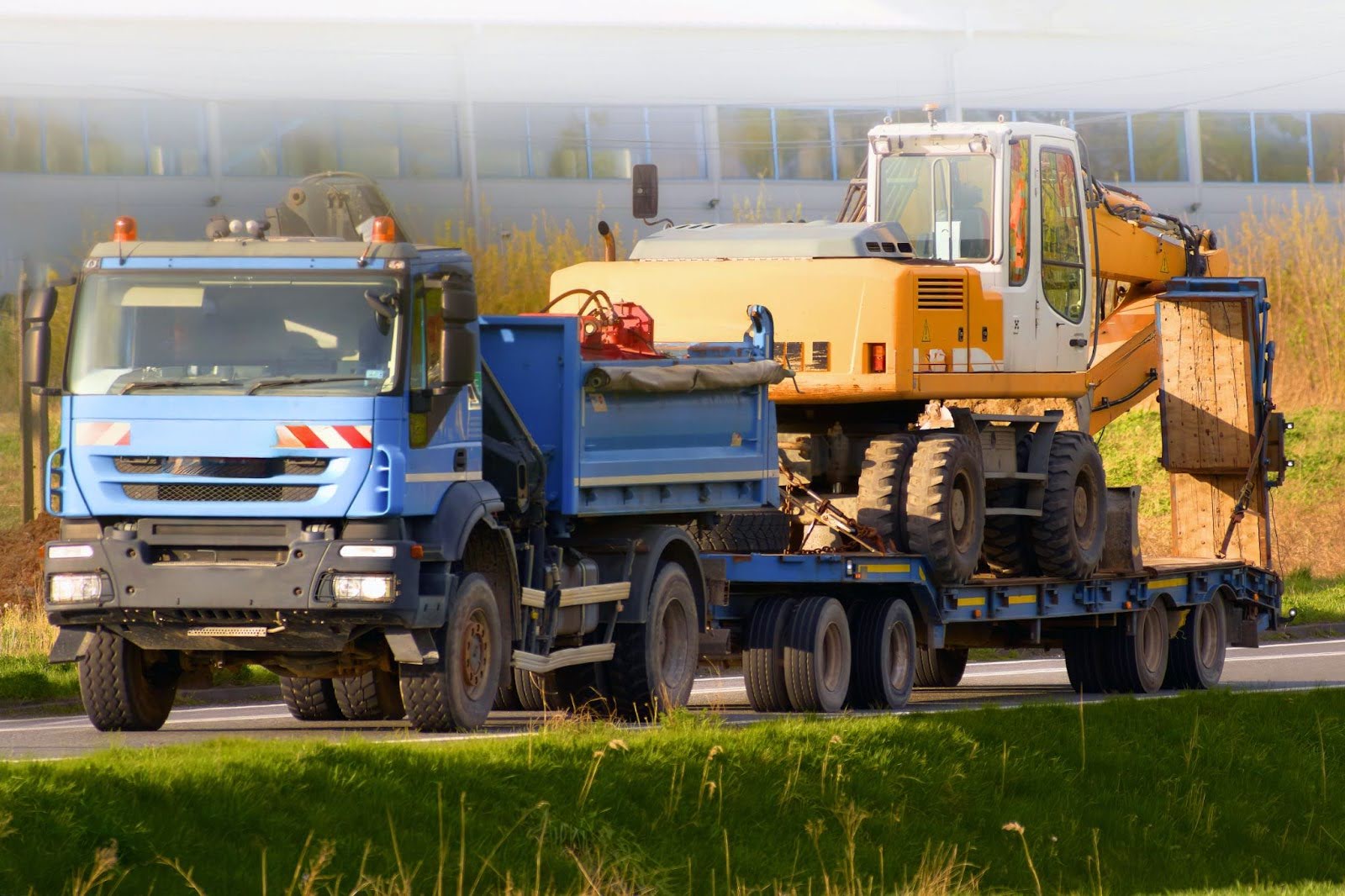
The deck tilts down to ground level, then built-in winches pull equipment up onto the tray. It’s particularly handy for non-operational machinery that can’t drive itself on. These trucks handle equipment up to 2.5 metres wide, from skid steers and compressors through to plant attachments and small mining gear.
Flatbed trucks offer a different approach. The completely flat, open platform gives you maximum flexibility for securing awkward loads.
There’s no tilting mechanism to work around, so oversized or unusually shaped machinery can be positioned exactly where it needs to be. The stable base reduces vibration and shock during transport, which matters when you’re moving sensitive equipment across rough Australian roads.
Both options have their place in emergency recovery work. Tilt trays excel when you need to load broken-down machinery quickly without external lifting equipment. Flatbeds work better for oversized loads or when cranes are doing the heavy lifting at both ends.
Modern transport fleets keep multiple units of each type ready for dispatch across metropolitan and regional areas. When machinery breaks down at 2am on a remote construction site, having the right truck available can mean the difference between a minor delay and a major project setback.
Heavy Wreckers and Complex Recoveries
Heavy wreckers handle the big jobs that regular tow trucks simply can’t manage. When a bus rolls over on the Great Eastern Highway or a truck jack-knifes on a mining access road, you need serious pulling power and lifting capacity.
These specialised vehicles pack high-capacity winches and extendable booms that can reach into difficult spots. They’re built to handle loads up to 36 tonnes, which covers most commercial vehicles and heavy plant equipment you’ll find on Australian roads.
The real skill comes from the operators who know how to approach each recovery differently. Extracting a grader from a roadside embankment requires different techniques than uprighting an overturned semi-trailer. They use combinations of lifting, winching, and careful positioning to get damaged vehicles back on solid ground.
Access is often the biggest challenge. Heavy wreckers can work in tight spaces where larger recovery equipment won’t fit, whether that’s a narrow construction site entrance or between concrete barriers on a freeway.
Multi-vehicle accidents across Perth and regional Western Australia often need multiple recovery vehicles working together. Heavy wreckers coordinate with other transport units to clear accident scenes efficiently and get traffic flowing again.
When conventional flatbeds and tilt trays aren’t up to the job, heavy wreckers step in. They’re the difference between a quick clearance and having a major route blocked for hours while waiting for the right equipment to arrive.
Safe Loading Techniques
Getting heavy machinery onto transport trucks safely comes down to picking the right method for your equipment and conditions on site.
Winch-assisted loading works well for machinery that won’t start or equipment on wheels. The tilt tray drops to ground level and the built-in winch slowly pulls the machine up onto the deck. This gives you complete control over the process and reduces the chance of scratches or dents.
Crane-assisted lifts make sense for machinery that can’t move under its own power or gear stuck in tight spots. Cranes can lift heavy loads straight up and place them precisely on the transport deck, which is handy when there’s no room to drive equipment around.
For smaller machines and moderate weights, forklifts do the job efficiently as long as the ground is level and solid. The forklift picks up the equipment and sets it on the tray, assuming there’s enough space to move around safely.
Getting everything properly secured after loading is where accidents get prevented. Heavy-duty chains, straps, and wheel chocks keep machinery locked in place during transport. This stops loads from shifting sideways or sliding forward and backward on Australian roads.
Each piece gets checked for stability before heading out. This follows current safety standards and keeps everyone on the road safer during transport across Western Australia.
Safe Unloading Techniques
Tilt tray slide-off unloading gives operators complete control when handling wheeled or tracked machinery. The tray drops to ground level so equipment can be rolled or guided off the deck safely, cutting the risk of tipping or unexpected movement.
This method works particularly well with excavators, skid steers, and similar plant equipment that’s either driveable or mounted on skids. It’s efficient and reduces handling risks compared to other approaches.
Crane-assisted unloading becomes necessary when machinery needs precise placement, especially in tight spaces or where obstacles block direct ground access. The crane lifts equipment from the transport vehicle and positions it exactly where it needs to go.
This minimises manual handling and reduces potential property damage. It suits both heavy and immobile loads, including generators and non-wheeled industrial units that can’t move under their own power.
Forklift unloading works well when drop-off conditions are right. You need stable, level ground with enough clearance for the forklift to operate safely.
Heavy-duty forklifts can lift and position machinery with good accuracy, as long as weight limits and safety protocols are followed. This approach handles direct transfers of smaller machines like compressors or attachments from transport vehicle to final position.
Each unloading method gets chosen based on equipment type, ground conditions, and access constraints. The goal is always maintaining safety throughout the entire unloading operation.
Machinery and Loads Commonly Transported
Heavy machinery transport covers a massive range of equipment across Australian industries. You’ll regularly see construction gear like excavators, skid steers, rollers, and graders heading down highways, along with their various attachments.
These machines need careful handling because of their weight, awkward shapes, and size. One wrong move during loading can cause expensive damage.
Agricultural equipment keeps transport operators busy year-round. Tractors, ploughs, harvesters, and sprayers constantly move between rural properties and repair workshops.
This becomes absolutely critical during planting and harvest seasons. When a harvester breaks down in the middle of wheat season, getting it to a repair facility quickly can save an entire crop.
Mining operations across Australia create steady demand for specialist transport. Drills, loaders, mobile crushers, and compact mining machines often need urgent relocation to remote sites. Many of these exceed standard road dimensions and need experienced operators who understand proper securing techniques.
Industrial and plant machinery represents another major category. Generators, presses, and manufacturing equipment regularly get moved for repairs, upgrades, or facility changes. These loads can be particularly sensitive to vibration and shock during transport.
Then there’s the containerised loads and transportable buildings. Sea containers up to 20 feet long are common, plus dongas and site offices that can measure up to 2.5 metres wide. Local permit requirements vary across different states, but these structures keep construction and mining sites operational.
Each type of machinery presents its own challenges. That’s why specialist vehicles and experienced operators are essential for safe, efficient transport across Western Australia’s diverse terrain.
How to Choose a Reliable Recovery and Transport Partner
When your machinery breaks down, you need someone who can respond any time of day or night. True 24/7 availability means getting support for emergencies at 3am just as quickly as during business hours.
This keeps downtime to a minimum and protects your project schedules when things go wrong unexpectedly.
Quick mobilisation makes all the difference when equipment fails on site. You want operators who can assess the situation fast and get the right recovery vehicle dispatched without delays.
A good provider maintains a diverse fleet that can handle different recovery challenges. Tilt tray trucks get broken machinery loaded safely and efficiently. Heavy wreckers deal with the big jobs that regular trucks can’t manage.
Crane-equipped vehicles can reach equipment stuck in awkward spots or tight spaces where other methods won’t work.
Make sure your recovery teams are properly licensed, experienced, and fully insured. Check they follow strict safety standards and proven procedures during critical recoveries.
This protects your machinery and property throughout the entire process, reducing the risk of accidents when you’re already dealing with a problem.
Look for transparent pricing and clear communication from start to finish. Reliable providers give detailed quotes with no hidden costs so you can budget properly.
They keep you informed about progress, arrival times, and any developments on site. You shouldn’t have to chase them for updates.
Many modern operators offer real-time GPS tracking of their vehicles. This gives you live visibility on where your recovery vehicle is and where your machinery ends up during transport.
It helps with coordination and provides peace of mind when expensive equipment is being moved.
Your ideal partner should handle a wide range of machinery and load sizes confidently. Look for experience with construction, mining, agricultural, and industrial equipment.
This includes awkward or oversized units that create special challenges. No matter what machinery fails, you want a practical solution that meets all compliance requirements.
Practical Checklist Before You Call for Recovery
Start by gathering the basics about your machinery. What type of equipment needs moving? An excavator, generator, or forklift?
Get the dimensions, particularly the width, and weigh it if you can. Note whether it’s working, completely broken down, or somewhere in between.
Check the site conditions carefully. Are there narrow gates, soft ground, or low overhead cables? Will the recovery truck be able to get close enough to load your equipment safely?
This information helps dispatch teams bring the right vehicle and loading gear.
Provide clear pickup and delivery addresses. If your machinery needs to go in a specific spot at the destination, mention that upfront.
Some sites have tricky access or positioning requirements that affect how the job gets done.
Work out if you’re dealing with an oversized load. Equipment over 2.5 metres wide needs special permits and route planning under Australian transport laws.
Heavy loads face similar restrictions, so getting the dimensions right matters for legal compliance.
Think about how you want the machinery unloaded. Tilt tray slide-off works well for wheeled equipment. Crane unloading suits tight spaces or precise positioning. Forklift unloading handles moderate weights on level ground.
Let the transport team know your preference so they can plan accordingly.
Ask about insurance coverage during transport and whether GPS tracking is available. Many operators provide real-time location updates so you can monitor your equipment’s movement.
Getting these details sorted before making the call leads to faster response times and fewer complications on the day.