How to Choose Between Standard Freight and Oversized Transport

5 Steps to Cut Machinery Transport Downtime
January 28, 2026
Why understanding standard freight versus oversized transport matters
Standard freight covers cargo that fits comfortably within Australia’s legal transport limits. We’re talking loads under 2.5 metres wide, 4.3 metres high, and 19 metres long for combination vehicles, with a weight cap of 42.5 tonnes.
This type of cargo moves on regular trailers like flatbeds or dry vans. No special permits needed, no extra planning headaches. It’s straightforward, cost-effective, and you can predict your delivery times with confidence.
Oversized transport kicks in when your load breaks these legal boundaries. Think massive machinery, prefab buildings, or industrial equipment that simply won’t fit standard dimensions.
Here’s where things get serious. You’ll need special permits, detailed route surveys checking every bridge and clearance, escort vehicles, and specialist trailers like low loaders or multi-axle units. The drivers need proper training, and the logistics planning becomes critical for both safety and legal compliance.
Your transport choice directly impacts three things: cost, timing, and legal requirements. Standard freight keeps things simple and affordable. Oversized transport brings extra expense through planning, permits, and specialist gear, but it’s the only way to move those big loads legally.
Different industries lean different ways. Retail and e-commerce live in the standard freight world, whilst construction and heavy industry regularly need oversized transport for plant equipment and large modules.
Getting this choice right from day one means staying compliant, managing your risks properly, and keeping your budget and schedule on track.
Clear definitions and scope
Standard freight covers cargo that fits within Australia’s legal transport limits. These loads don’t need special permits or escort vehicles and travel on regular trailers like flatbeds, dry vans, or refrigerated units.
You’ll typically see boxed consumer goods, e-commerce parcels, machinery parts that have been dismantled, or palletised raw materials moving this way.
Oversized transport handles loads that break these legal boundaries for size or weight. This means specialist vehicles, careful route planning around low bridges and tight corners, permits from transport authorities, and often escort vehicles with trained operators for safety.
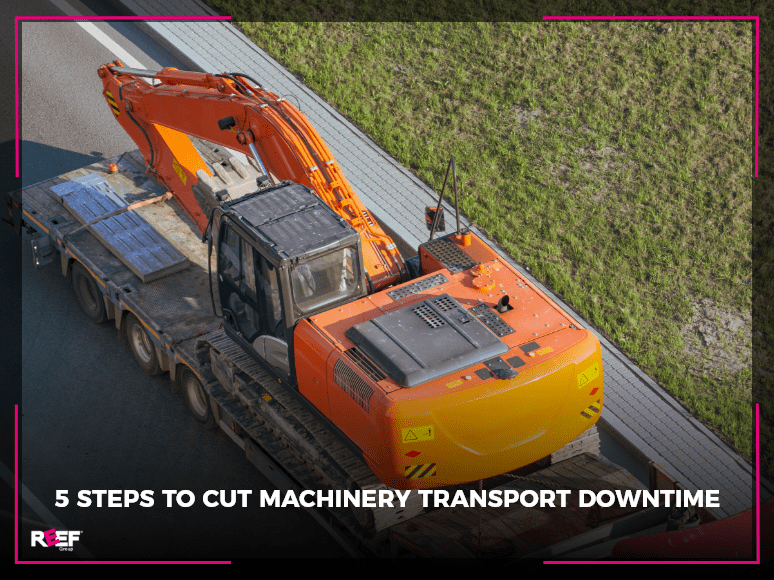
Common oversized cargo includes complete excavators, industrial generators, transformers, wind turbine components, long steel beams, tanks, and large prefabricated building sections.
The key difference comes down to compliance and logistics. Standard freight works within normal legal limits using common transport gear, while oversized freight needs custom solutions, detailed advance planning, and stricter regulatory oversight.
Vehicles, trailers, and handling needs
Equipment for standard freight
Standard freight relies on everyday vehicles you’ll recognise on Australian roads: vans, box trucks, articulated lorries, and trailers like flatbeds, dry vans, and refrigerated units. These vehicles handle cargo that sits comfortably within Australia’s legal size and weight boundaries.
You’ll see palletised goods, crated items, retail stock, consumer products, and smaller machinery moving this way. Nothing that needs special handling or custom equipment.
Refrigerated trailers keep temperature-sensitive cargo safe during transport. This supports food distribution, pharmaceutical deliveries, and e-commerce fulfilment across the country.
Most standard freight moves in bulk loads. Goods get stacked on pallets or packed in crates, which makes loading and unloading much quicker at warehouses and distribution centres.
This approach keeps cargo secure during transit and helps deliveries reach their destinations without the extra expense of specialist transport methods.
Equipment for oversized transport
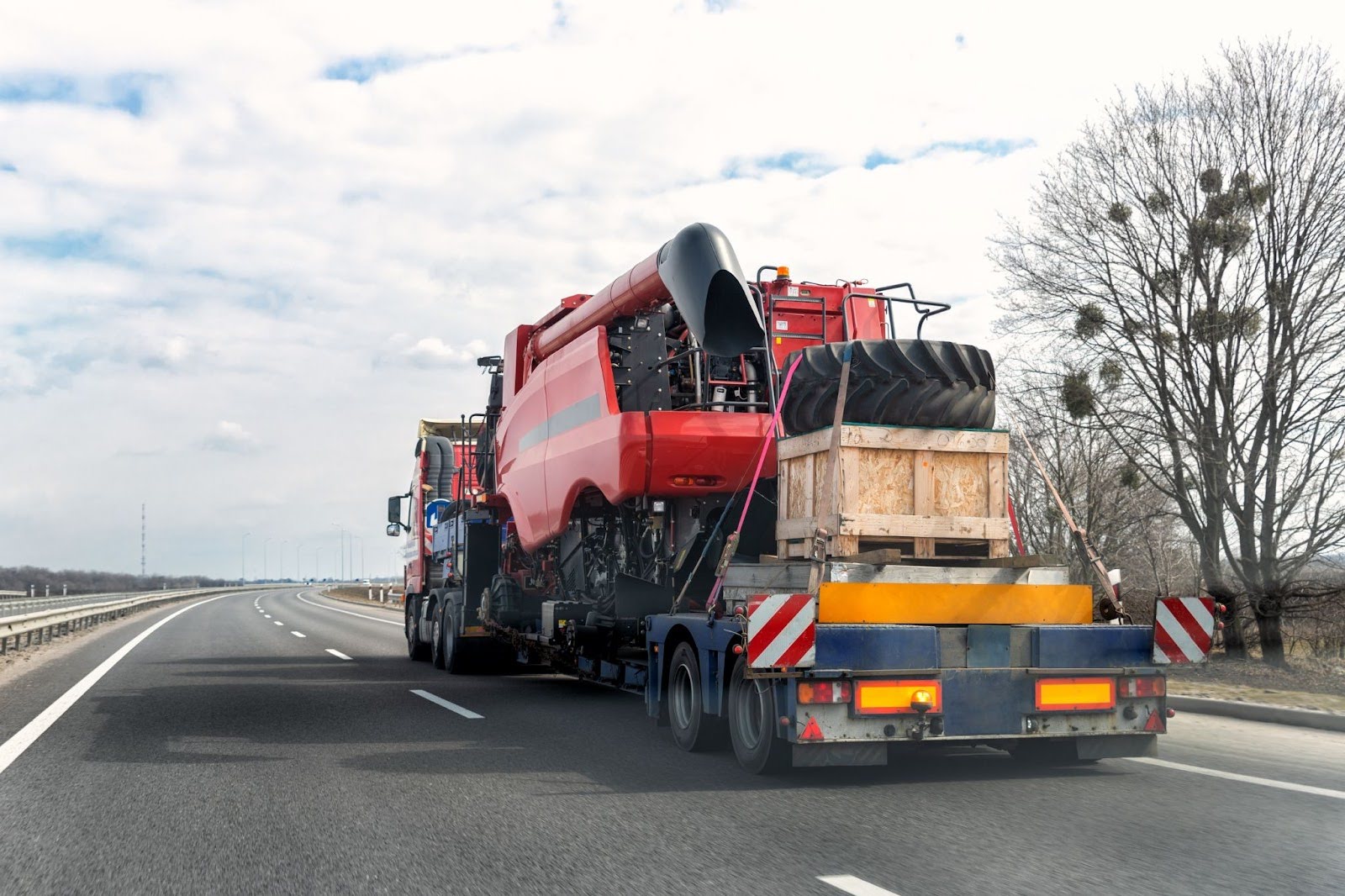
Oversized transport relies on specialist trailers built for the unique challenges of moving heavy and awkwardly shaped machinery. Lowboys and double drop trailers keep deck heights minimal, which is crucial for tall equipment that would otherwise hit bridges or overhead lines.
Step deck trailers work well for moderately tall loads, sitting between standard flatbeds and the ultra-low profile of deep drop units. When you’re dealing with particularly heavy cargo, multi-axle combinations spread the weight across more wheels, protecting both your equipment and Australia’s roads.
For cargo that’s too long for standard trailers, think wind turbine blades or steel beams, extendable trailers adjust to match your load length. No dangerous overhangs, just proper support from end to end.
These specialist vehicles come with reinforced chassis and load decks that handle the extra stress. The ramps, winches, and tie-down points are all engineered for more complex loading compared to standard freight operations.
Choosing the right trailer depends entirely on your load’s profile. Height, width, length, and weight all determine which equipment will do the job safely. Professional heavy machinery transport services in Perth understand these requirements and match the appropriate equipment to each unique cargo challenge.
Getting accurate measurements before transport is essential. Every dimension that exceeds standard limits needs accounting for, supporting safe delivery that meets legal requirements.
Loading, unloading, and site access
Flatbeds and other open-deck trailers prove essential for sites that lack proper loading docks or where traditional loading bays simply won’t work. These trailers let you load and unload cargo from the side or by crane, which becomes critical when you’re moving large machinery, structural steel, or prefabricated building components that heavy industry and construction projects demand.
Oversized or overmass shipments need more than just the right vehicles. They require thorough site access planning, skilled operators, and careful coordination between all parties involved.
Access routes within job sites must accommodate larger vehicle dimensions, with enough overhead and side clearance for both the trailer and any crane or lifting machinery you’ll be using. Deliveries often need precise timing and sequencing with other operations on the project site to maintain safety and keep everything running efficiently.
Specialised handling techniques become standard practice, especially for equipment like generators, drilling rigs, or industrial tanks that exceed the limits for enclosed transport. Many loads get secured using custom rigging or lifting plans, and crane offloading is common practice.
Good communication between transport crews, site personnel, and all contractors becomes essential to avoid delays and ensure deliveries happen safely and on schedule.
When to choose standard freight versus oversized transport
Choose oversized transport when your cargo breaks Australia’s legal thresholds. We’re talking widths over 2.5 metres, heights exceeding 4.3 metres, lengths more than 19 metres for combination vehicles, or total mass over 42.5 tonnes.
Oversized transport becomes essential when your equipment can’t be safely dismantled to meet those legal size or weight limits.
This service handles complete construction machinery, industrial generators, transformers, steel beams and tanks, wind turbine components, mining and aggregate equipment, plus prefabricated buildings or modular site offices. These loads simply can’t be split or reduced to standard freight proportions without compromising safety or operational integrity.
Standard freight works perfectly when your shipment falls within the legal compliance boundaries for size and mass. Think routine commercial pallets, e-commerce orders, packaged consumer products, and small-to-medium machinery or tools. Cargo types that fit regular trailers and need no special permits or escort arrangements.
If you’re unsure which category your freight falls into, check your load’s dimensions and mass first. Consider whether partial disassembly is safe and practical, then consult with a specialist operator to confirm if you need permits or custom equipment.
This approach protects compliance, efficiency, and legal certainty for every move.