What Farmers Should Know Before Moving Farm Equipment Long Distance

How to Choose Between Standard Freight and Oversized Transport
March 16, 2026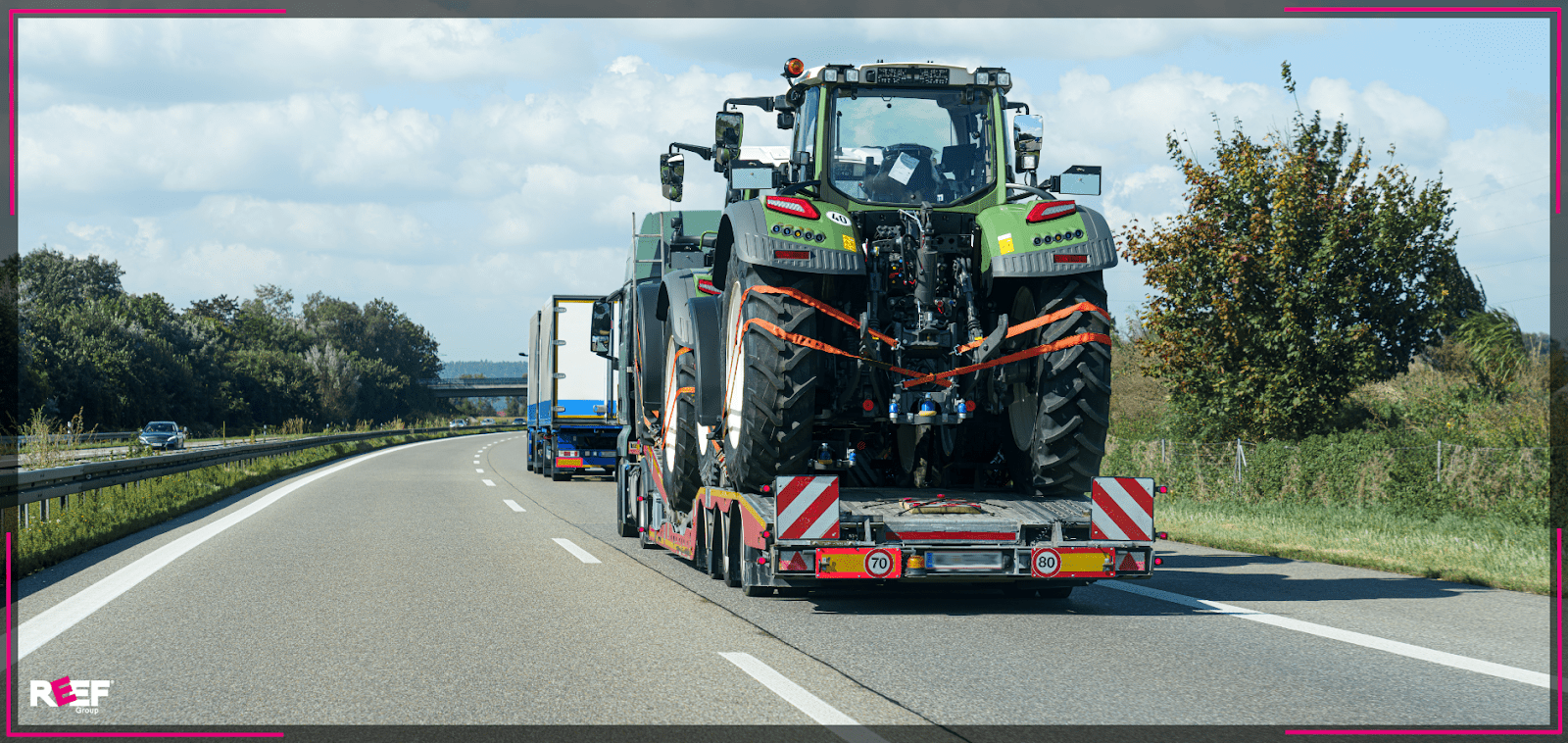
Why long‑distance farm equipment moves demand rigorous planning
Moving tractors, combines, and implements over long distances introduces significant safety, compliance, and cost risks if not managed properly. Agricultural machinery is often oversized or overweight, making it subject to strict transport regulations and requiring specialist vehicles.
A poorly planned move can result in equipment damage, lengthy downtime, or legal penalties due to non-compliance with permits and road rules. Such incidents are especially costly during critical farming periods when every hour counts.
Thorough planning starts with accurate measurements, understanding the total weight, and evaluating the route carefully. The right transport equipment, such as low loaders or tilt trays matched to your machinery’s specifications, reduces risks related to stability and load securement.
Careful adherence to safety protocols and legal requirements, including proper signage, permits, and escort arrangements for oversize loads, prevents fines and keeps the operation legal. Proper maintenance and securement, regular en-route checks, and contingency planning further reduce the risk of damage or costly delays.
With careful preparation and compliance at each stage, machinery arrives intact and ready for use. This protects both the asset and the productivity of the farm, ensuring your valuable equipment is where you need it, when you need it.
Get specific about what you’re moving
Before any farm equipment move, record the exact dimensions, total weight, and centre of gravity of your machinery. These details determine which trailer type you need, how to secure the load, and which routes comply with Australian transport regulations.
Larger or unbalanced equipment requires specialist trailers, such as low loaders or vehicles with sliding outriggers, to maintain safety and compliance.
Check if your machine can legally travel on public roads under its own power for short distances. Many agricultural machines don’t meet minimum lighting, signalling, or weight requirements for road use, particularly on main roads or longer routes.
If your equipment doesn’t comply, arrange professional haulage to avoid fines and safety issues.
Match your transport solution to terrain, haul distance, and timing. Rugged, unsealed roads or steep gradients may require different truck or trailer configurations.
Consider scheduling around peak farming activity, such as harvest windows, to avoid bottlenecks and costly delays. Planning with these factors in mind prevents damage, reduces downtime, and ensures your machinery arrives as intended.
Regulations, permits and operator requirements
Moving oversized agricultural machinery across Australia requires specific permits for each route, and these vary significantly between states and territories. You’ll need oversize and overweight permits that match your exact journey, as what’s legal in Victoria might not be in Western Australia.
Without proper permits, you’re facing hefty fines and the possibility of having your equipment removed from service mid-journey. That’s the kind of disruption no farming operation can afford, especially during critical seasons.
Once your machinery exceeds legal size or weight limits, escort vehicles become mandatory in most cases. These aren’t just for show; they alert other drivers to your presence and help manage traffic through tricky sections. Proper warning signage and amber beacons are also required to keep everyone safe.
Most jurisdictions restrict when you can move large machinery. You might be limited to daylight hours only or banned from travelling during peak traffic times. These restrictions exist for good reasons, but they need to factor into your planning from day one.
Everyone involved in the move needs the right qualifications. Drivers must hold appropriate heavy vehicle licences, and their credentials should be verified before departure. There’s no room for shortcuts here.
Comprehensive transit insurance is non-negotiable before any machinery leaves your property. This covers potential damage, theft, or other incidents during transport. Given the value of modern agricultural equipment, adequate insurance protects you from serious financial losses if something goes wrong on the road.
Choosing the right transport partner
Professional haulage becomes essential when you’re dealing with oversized, heavyweight, high-value, or complex machinery. This is especially true for challenging long routes where standard transport methods simply won’t cut it.
These moves demand specialist equipment and expertise to manage heavy loads and complex logistics properly. You’re not just paying for a truck; you’re buying the knowledge to get your machinery delivered safely and efficiently.
Look for partners who’ve handled agricultural loads before and have a solid track record of regulatory compliance. When considering heavy machinery transport services in Perth, this experience matters when dealing with permit requirements, route restrictions, and operational risks. It helps you avoid fines and operational disruptions that can cost far more than the transport itself.
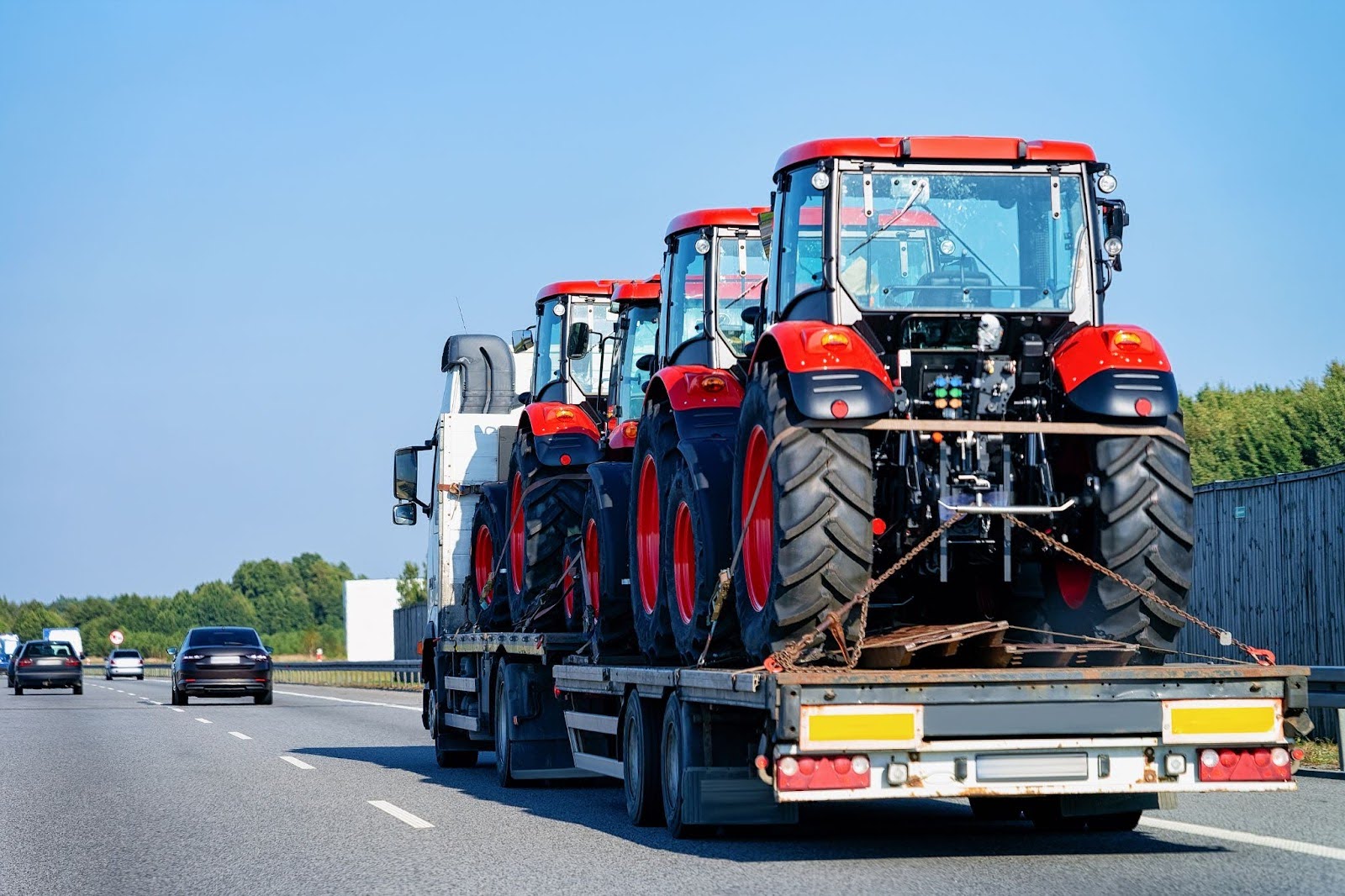
Check their fleet capacity to ensure they can supply the right equipment for your specific machinery. Low loaders work best for tall or heavy units. Step decks and removable goosenecks handle large or irregularly shaped items. Vehicles with winches or cranes make loading and unloading much safer.
Having the right fleet capability reduces damage risks and keeps things running efficiently during transit.
Require evidence of comprehensive insurance cover for all goods in transit. You also want solid safety and compliance processes that they can actually explain to you.
Verification of insurance and safety protocols protects you from losses due to accidents or other incidents. Given the value of modern agricultural equipment, these incidents can have serious financial consequences.
Only work with providers who’ll document and explain their safety measures and insurance provisions before your machinery leaves the property.
Trailer and equipment selection
Picking the right trailer and equipment is absolutely critical for safe and compliant heavy machinery transport. You need to match your trailer type to the specific size and height of your load.
Low loaders work brilliantly for transporting extremely heavy or tall machinery. Their low deck height gives you that extra overhead clearance and much better stability on the road.
For equipment of intermediate height, step deck trailers provide extra clearance without pushing you over legal road limits. Flat deck trailers handle machinery with lower profiles perfectly well.
When you’re dealing with very tall or heavy machinery, removable gooseneck trailers make loading and unloading much simpler. The detachable front sections give you ground-level access, which saves time and reduces risk.
Machinery with wide or unstable bases should go on trailers fitted with sliding outriggers. These extend your available deck width and provide secure lateral support where you need it most.
Make sure you’ve got the right loading tools for your equipment’s weight and design. Cranes, heavy-duty ramps, dollies, winches, and lifting chains or straps must all be rated to handle your specific load safely.
Check every restraint and support system before you leave. This guarantees your machinery stays secure throughout the entire journey.Getting your trailer and equipment selection right reduces the risk of load shifting, compliance failures, and equipment damage during long-distance moves across Australia.